Archives
- 2026-07
- 2026-06
- 2026-05
- 2026-04
- 2026-03
- 2026-02
- 2026-01
- 2025-12
- 2025-11
- 2025-10
- 2025-09
- 2025-03
- 2025-02
- 2025-01
- 2024-12
- 2024-11
- 2024-10
- 2024-09
- 2024-08
- 2024-07
- 2024-06
- 2024-05
- 2024-04
- 2024-03
- 2024-02
- 2024-01
- 2023-12
- 2023-11
- 2023-10
- 2023-09
- 2023-08
- 2023-06
- 2023-05
- 2023-04
- 2023-03
- 2023-02
- 2023-01
- 2022-12
- 2022-11
- 2022-10
- 2022-09
- 2022-08
- 2022-07
- 2022-06
- 2022-05
- 2022-04
- 2022-03
- 2022-02
- 2022-01
- 2021-12
- 2021-11
- 2021-10
- 2021-09
- 2021-08
- 2021-07
- 2021-06
- 2021-05
- 2021-04
- 2021-03
- 2021-02
- 2021-01
- 2020-12
- 2020-11
- 2020-10
- 2020-09
- 2020-08
- 2020-07
- 2020-06
- 2020-05
- 2020-04
- 2020-03
- 2020-02
- 2020-01
- 2019-12
- 2019-11
- 2019-10
- 2019-09
- 2019-08
- 2019-07
- 2019-06
- 2019-05
- 2019-04
- 2018-07
-
We next focused our design building into the ribose binding
2019-12-31
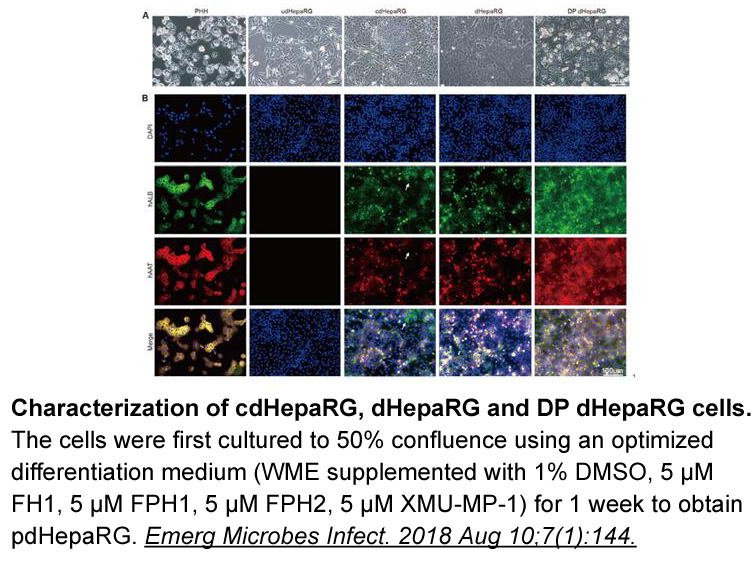
We next focused our design building into the ribose binding site, which had not been yet utilized in this effort. Compounds bearing a series of five-membered aromatic heterocycles (compound , ) showed reduced inhibition of the Gram-positive isozymes compared with compound , but a 20-fold improved po
-
Except for S adenosylmethionine SAM Fig sources of endogenou
2019-12-31
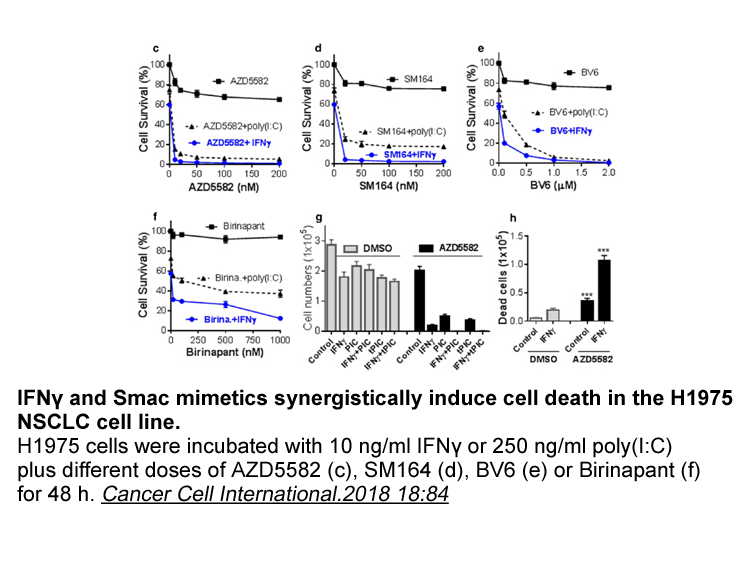
Except for S-adenosylmethionine (SAM, Fig. 1), sources of endogenous DNA alkylation are not well defined. Other possible sources include nitroso compounds related to the well known mutagen methylnitrosourea which are generated in vitro by nitrosation of cellular amines including amino acids, protein
-
On the other hand the death domain is a
2019-12-31
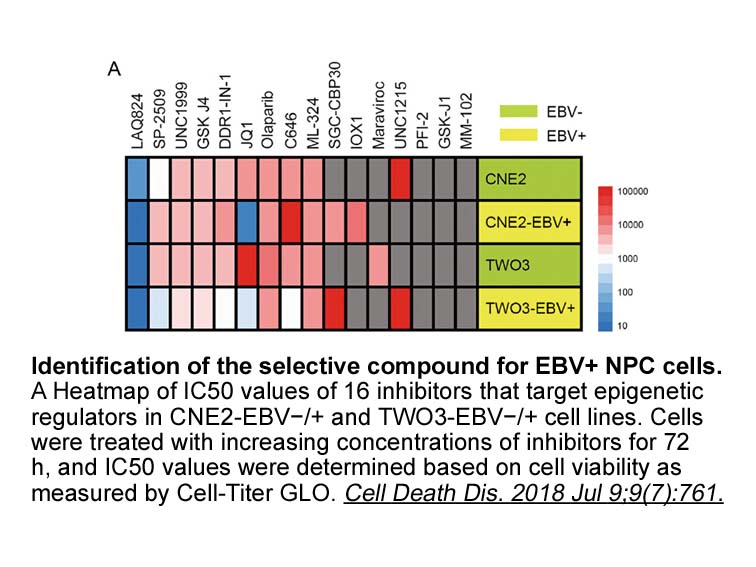
On the other hand, the death domain is a conserved stretch of around 80AA which is commonly found in death receptor proteins, it play a major role in the interaction between other proteins. Also as a platform for the death-inducing signaling complex (DISC) formation (Chaigne-Delalande et al., 2008).
-
Z-LEHD-FMK Interestingly some drugs have been shown
2019-12-31
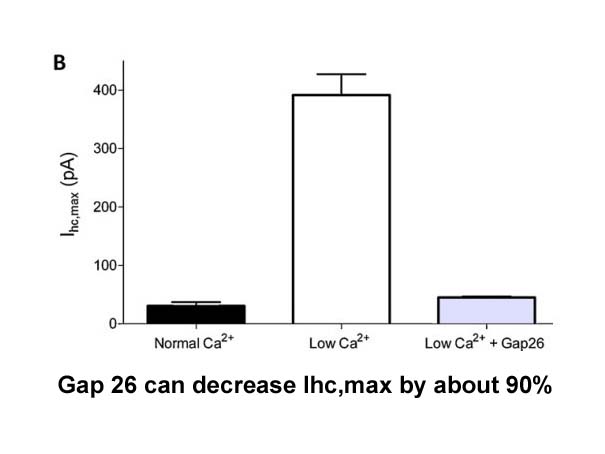
Interestingly, some drugs have been shown to be effective in the regulation of cytokine production (such as IL-2, IL-10, IL-27, IL-35, IL-37 and transforming growth factor-β, TGF-β) and, therefore, having a key role in the management of certain inflammatory-based clinical conditions (Banchereau et a
-
Our results indicate that C CoA is
2019-12-31
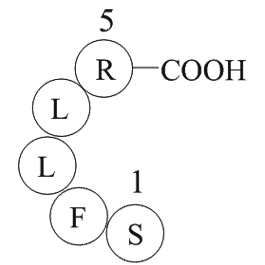
Our results indicate that C75-CoA is formed in the hypothalamus following stereotaxic injection of C75. Inhibition of hypothalamic CPT1 by C75-CoA in vivo, as seen in our experiments, is independent of the putative inhibition by malonyl-CoA, which may be formed after the action of C75 either on FAS
-
mst2 As shown in Figs a and
2019-12-31
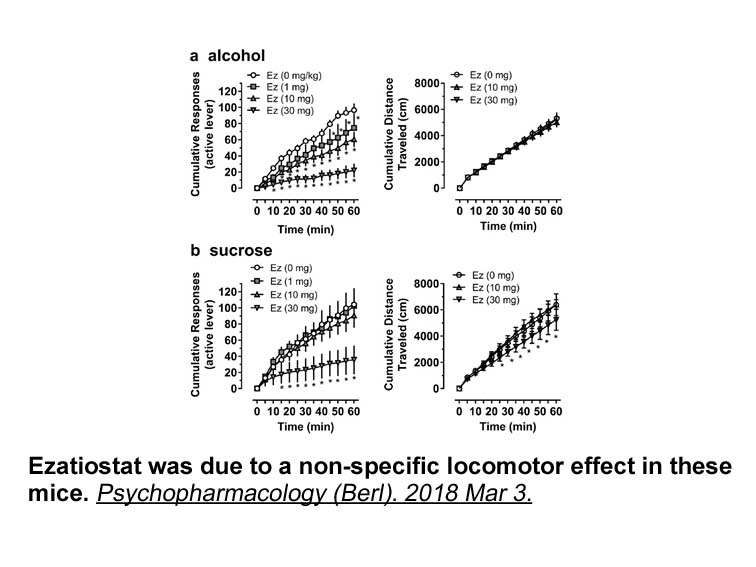
As shown in Figs. 3(a) and (b), with the SO effect, the absolute values of the VDEs change by at most 0.19eV. Table 1 also shows that the observed peak splitting energies in the Sm-Ho complexes were reproduced even without the SO effect. Considering its significant importance in the electronic struc
-
The oxidation of the lipid fraction of
2019-12-31

The oxidation of the lipid fraction of meat is an extremely complex process because of the high sensitivity of oxidation products to decomposition, their reactions with other components, the complex effect of catalysts and the presence of antioxidants. These changes are the main cause of limited sh
-
Cell swelling stimulates the release of certain amino acids
2019-12-31
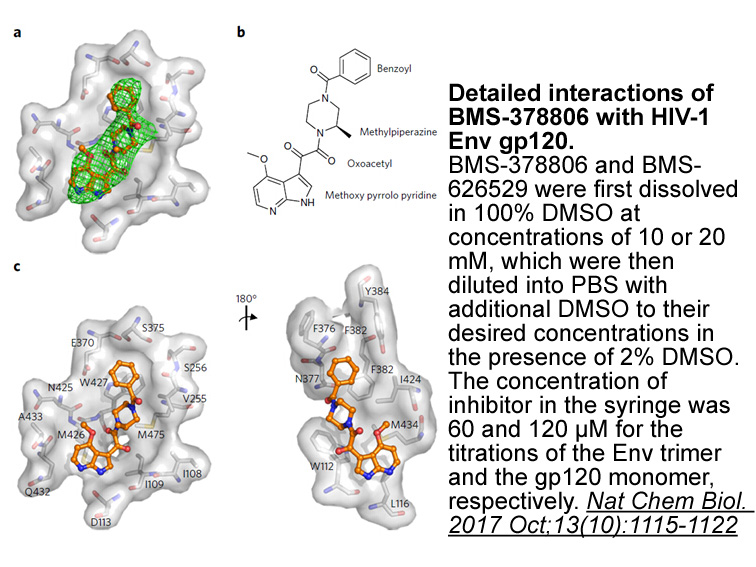
Cell swelling stimulates the release of certain amino acids, in particular the non-protein amino Eptifibatide taurine, via a pathway which has the characteristics of a channel rather than a carrier [54], [69]. Indeed, on the basis of pharmacological inhibition, it was suggested that volume-activate
-
Despite the sources of error discussed above
2019-12-31
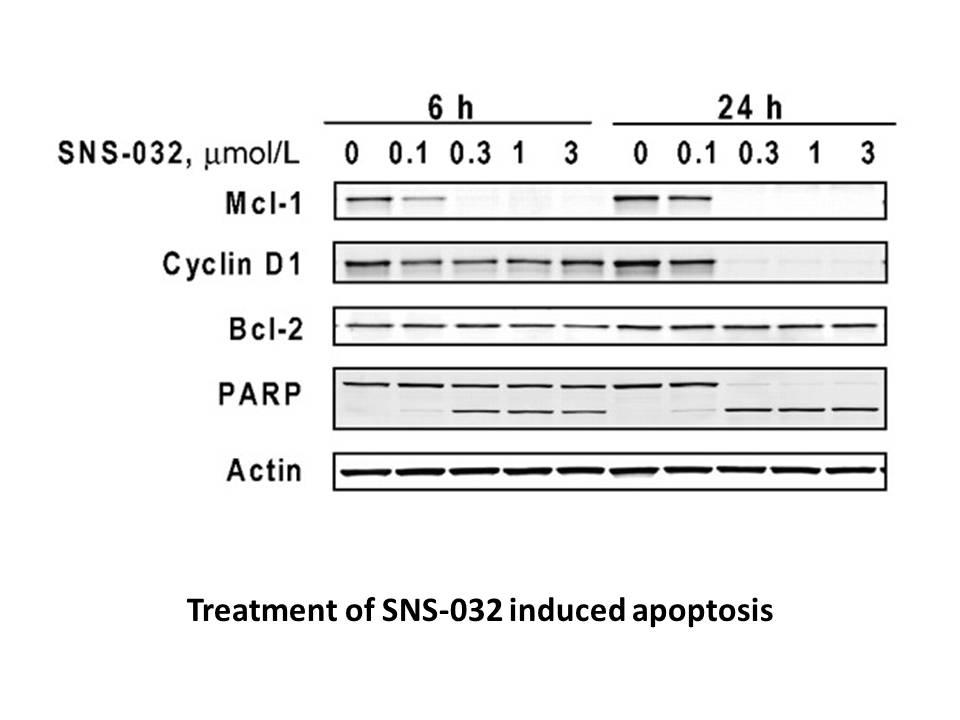
Despite the sources of error discussed above, several trends have emerged and much valuable data are available regarding binding affinities of progestogens for different steroid receptors. All the progestogens bind to the PR with a high affinity, typically in the nanomolar range. For example the syn
-
Estrogen receptors ERs belong to the third class
2019-12-31
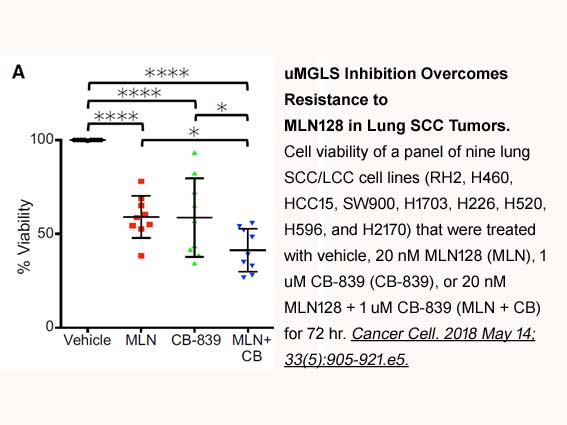
Estrogen receptors (ERs) belong to the third class of nuclear receptors (NR3) [23]. Two different forms of ER have been described, ERα and ERβ. They are coded by two distinct genes (ESR1 and ESR2, respectively) containing 8 transcribed exons that give rise to six conserved protein domains: domains A
-
br Introduction The cervix is a poorly studied component
2019-12-31
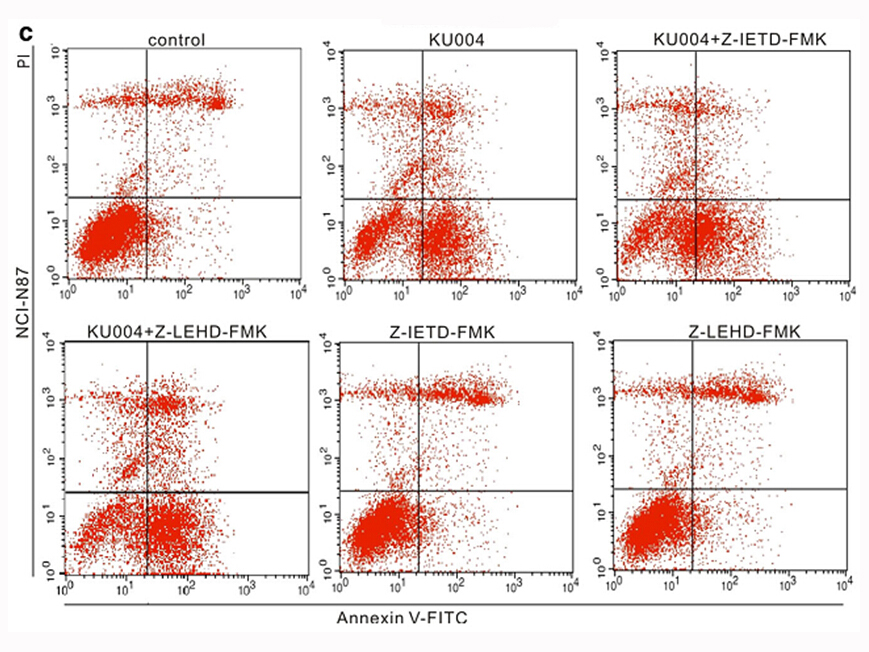
Introduction The Tenovin-3 is a poorly studied component of the mare’s reproductive tract. It has anatomical and biological defense mechanisms involved in the delicate balance between immunological tolerance, sperm transport and biological defense. Anatomically, the cervix is composed of epitheli
-
Introduction Neuropathic pain occurs in approximately one
2019-12-31
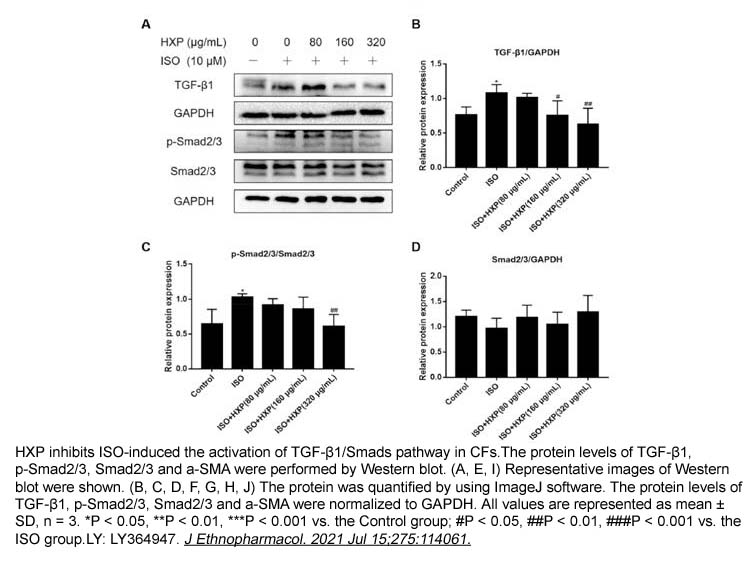
Introduction Neuropathic pain occurs in approximately one-third of patients with diabetes and is refractory to currently available analgesic drugs (Abbott et al., 2011). This painful diabetic neuropathy (PDN) is associated with elevated levels of methylglyoxal (MG; a reactive glucose metabolite) an
-
In recent years there has been
2019-12-30
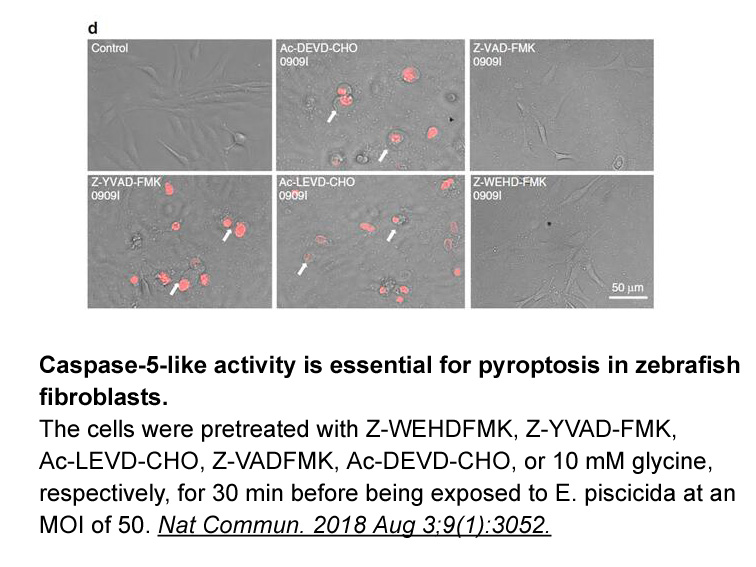
In recent years there has been a dramatic increase in identification and optimization of potent CRTh2 antagonists which may not only inhibit the recruitment and activation of Th2 cells but also accelerate apoptosis and clearance of these cells from inflamed tissue, thereby promoting the resolution o
-
The use of inhibitors clearly has its caveats
2019-12-30

The use of inhibitors clearly has its caveats and the field should come to a consensus on etomoxir concentration to maximally block LC-FAO while minimalizing off-target effects. The current papers convincingly show that 200 μM is too high, but it should be noted that 3 μM does not fully suppress LC-
-
br Conflicts of interest br Acknowledgements This work
2019-12-30
Conflicts of interest Acknowledgements This work was supported, in part or in whole, by the grants from the National Natural Science Foundation of China (11802056, 11772088), the China Postdoctoral Science Foundation (2018M640904), and the Fundamental Research Funds for the Central Universitie
15847 records 920/1057 page Previous Next First page 上5页 916917918919920 下5页 Last page